

FUTURE PROJECTS
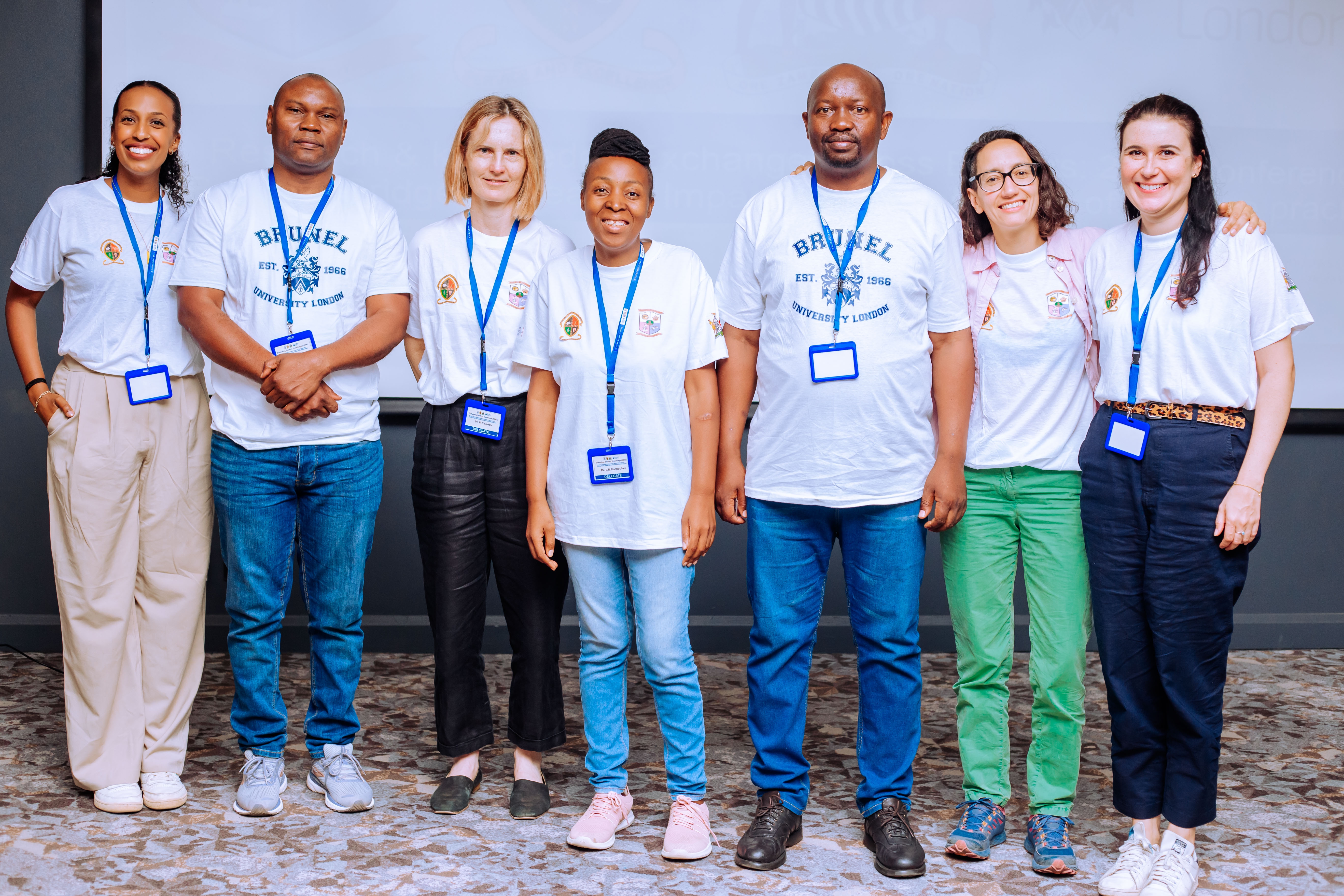
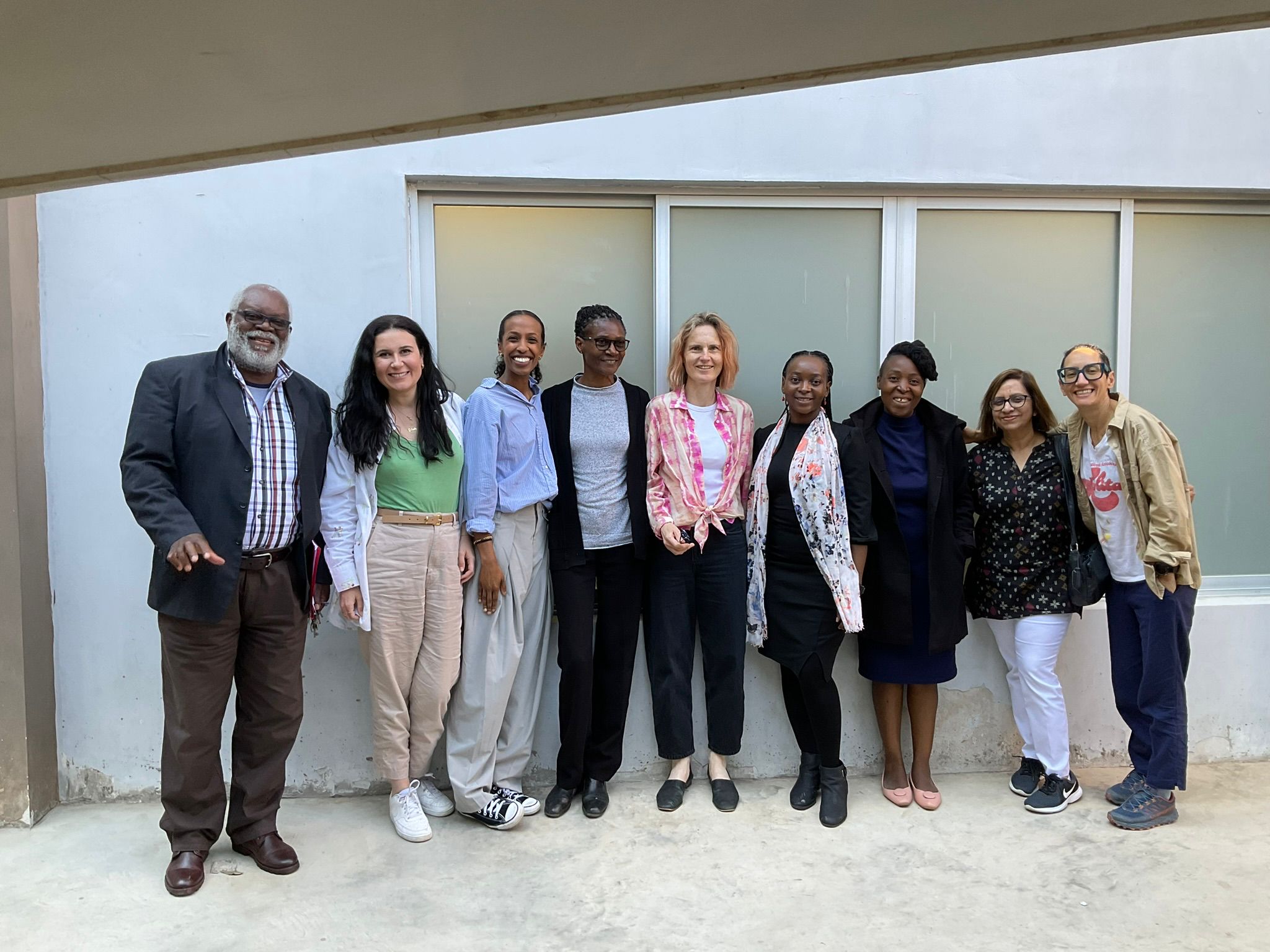
Discover how the ESKE team maintains seamless collaboration between the UK and Zambia
About Us
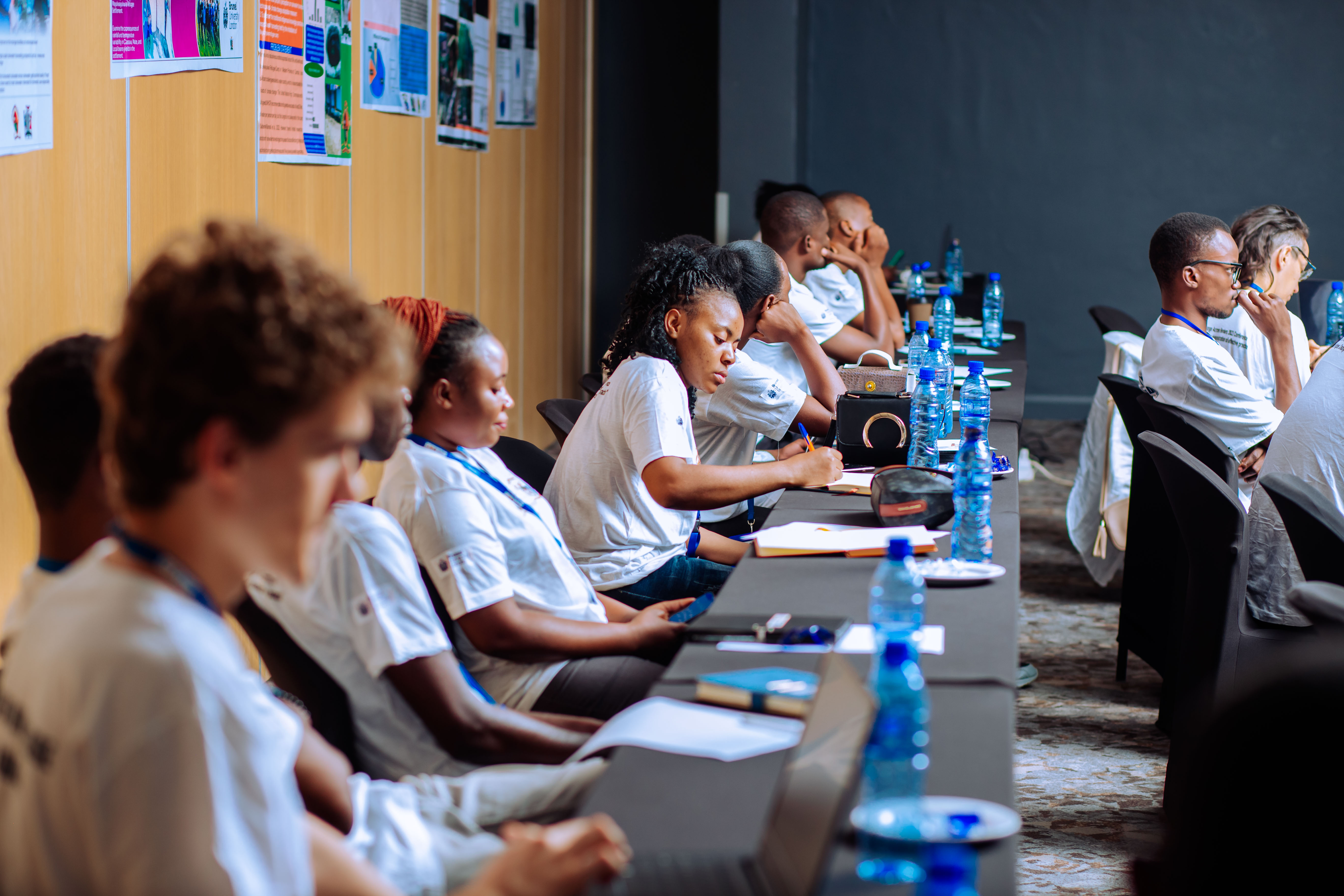
ESKE aims to develop and disseminate an adaptable and effective knowledge exchange model of practice that takes full advantage of digital platforms to enable engagement with students and staff in partner universities and in local community settings. This is done as a mechanism to develop transformative building blocks for cooperative learning and knowledge exchanges. Activities taking place in-country provide the opportunity to learn from communities, gain an appreciation of indigenous knowledge and insights into the challenges of particular settings, engage in mutually enriching discussions allowing cultural, knowledge and skill sharing across students and local communities promoting collaborative thinking to address agreed issues.
The project’s knowledge exchange (KE) model is designed to support students from all backgrounds to reach their individual and collective potential especially with respect to sustainable development. KE activities that involve such a collaborative learning methodology will help to increase self-efficacy, cultural intelligence, leadership and professional skills as well as benefit students’ academic achievements. These ‘softer’ skillsets are key challenges – the ‘missing middle’ in ESKE’s theory of change, that often restrict individual students, especially those from disadvantaged backgrounds, from excelling during and following higher education. The opportunity to engage with students from Copperbelt University and the University of Zambia is a critical component of ESKE providing the opportunity to examine social issues in both the UK and Zambia through ‘the gaze’ of a global south or north perspective, UK students will gain new insight into social institutions and structures.
Student Knowledge Exchange Experience
Cultural Knowledge
Embracing Diversity: Enhancing Cultural Knowledge through Meaningful Interactions
Community
Building Stronger Connections: Unleashing the Potential of Focused Discussions and Exchanges
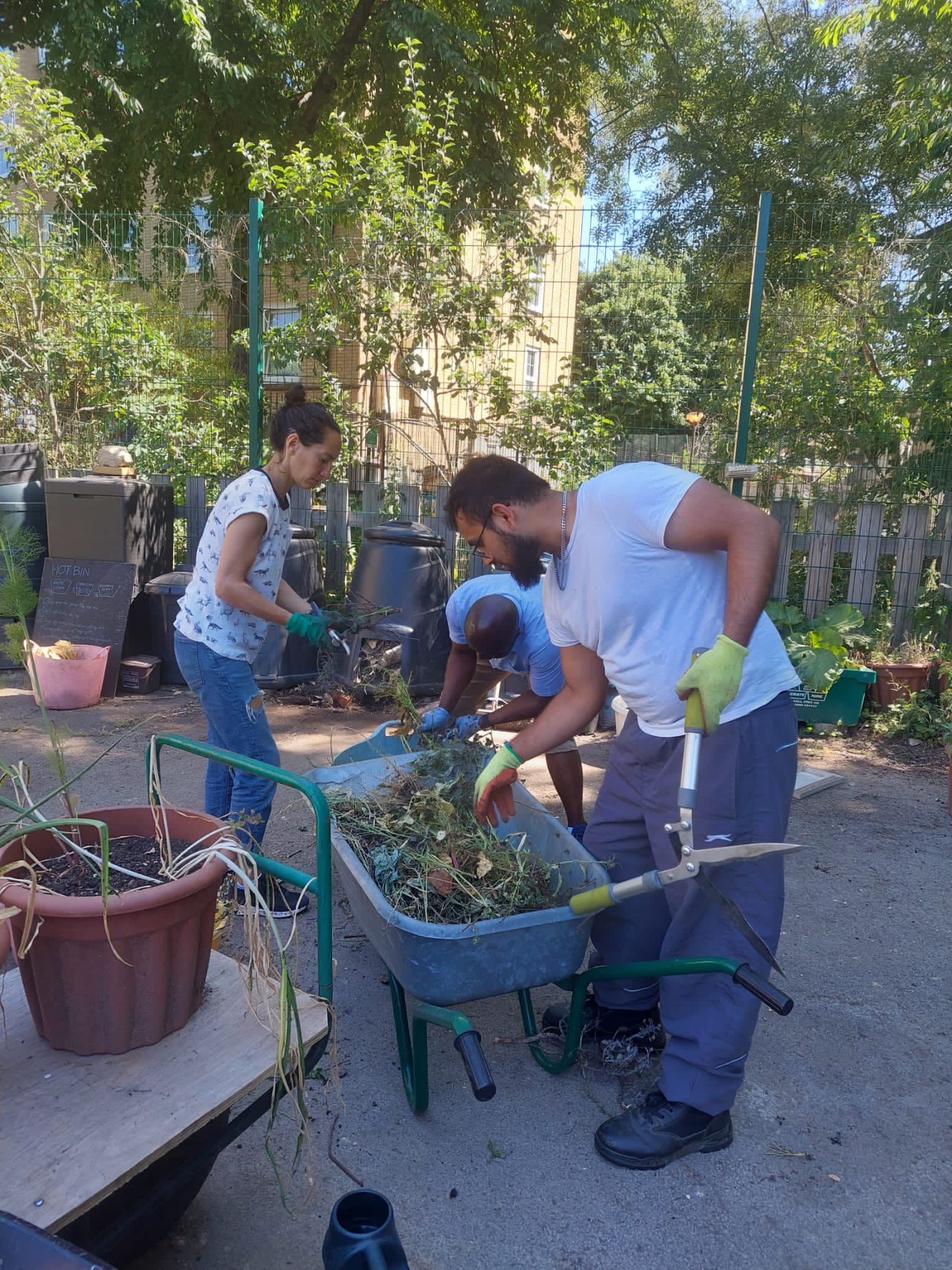
Learning Experientially
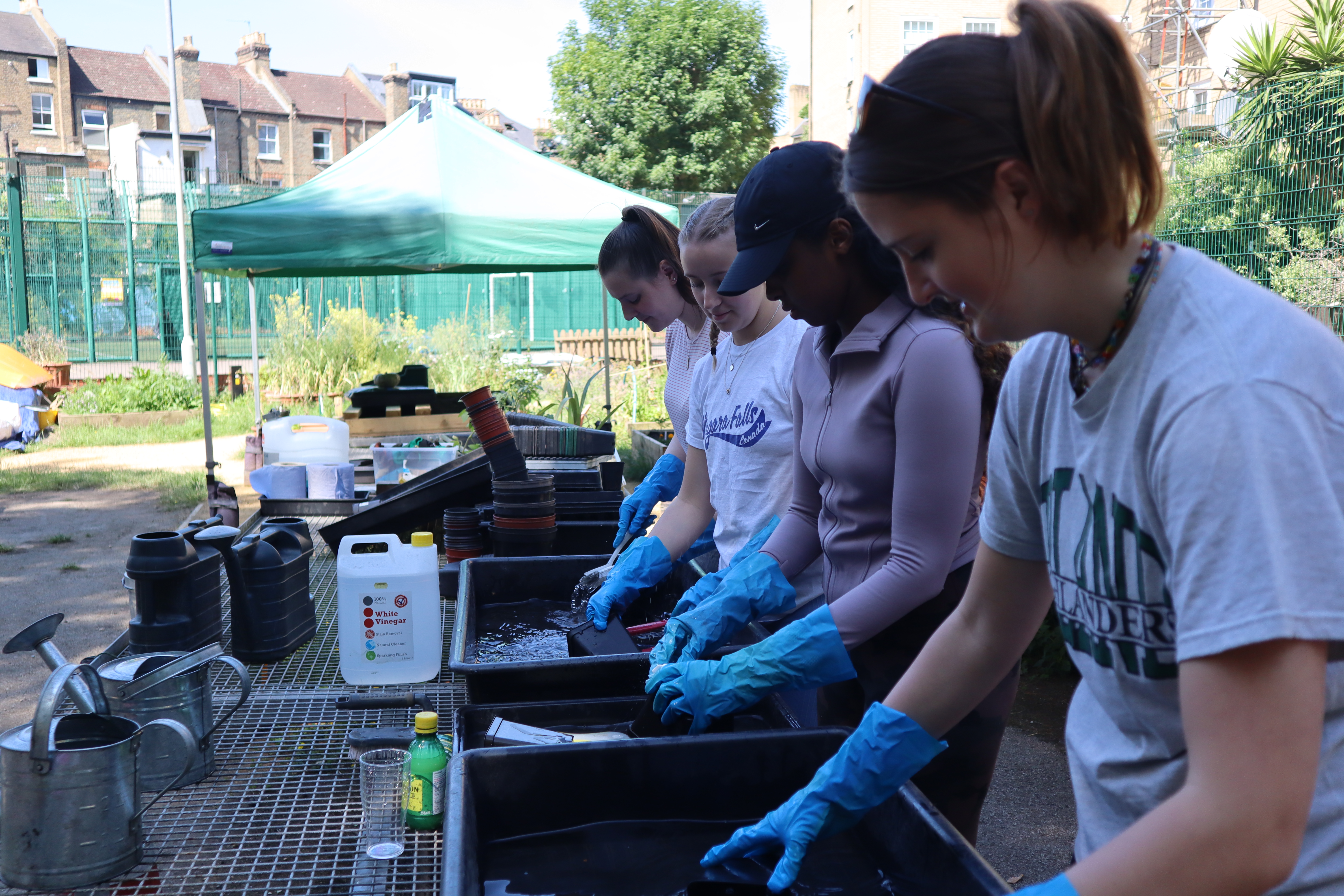
Beyond the Classroom: Empowering Learning through Engaging Experiences and Connections
Communication
Stimulating Conversations: Delve into Fascinating and Diverse Topics through Quality Time Together
Leadership
Inspiring Leadership: Nurturing Skills Beyond the Classroom through Real-Life, Experimental Projects